
Bali Continues to Balance Tourism Growth
with Cultural Preservation
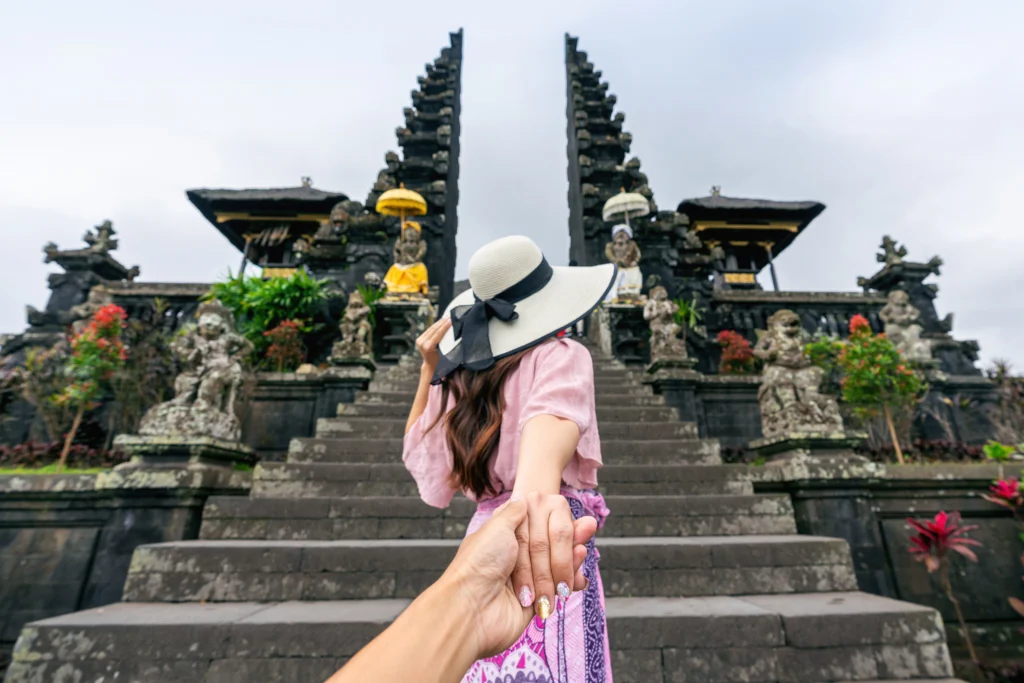
Bali remains one of the most visited destinations in Southeast Asia, yet the island continues to prioritize the preservation of its cultural identity. Despite increasing global attention, Balinese traditions remain deeply woven into everyday life. Temples, ceremonies, and offerings are still an essential part of daily routines across villages and towns. This balance between welcoming visitors and honoring heritage defines Bali’s unique character. Tourists are often drawn not only to Bali’s landscapes but also to its living culture. This authenticity sets Bali apart from many other destinations. Local communities play a central role in preserving Bali’s cultural foundation. Village councils and traditional leaders actively protect customs passed down through generations. These structures ensure that modernization does not erase cultural values. Many cultural practices are maintained through collective participation rather than tourism performance. Visitors who witness ceremonies often experience a sense of respect and admiration. This approach keeps culture alive rather than commercialized.
Tourism operators are increasingly aligning with cultural preservation efforts. Many accommodations and experiences are designed to integrate respectfully with local surroundings. Architecture often follows traditional principles, using local materials and open layouts. Experiences emphasize learning and observation rather than disruption. This shift reflects a growing awareness of responsible tourism. Visitors now seek meaningful engagement rather than surface-level attractions. Education also plays a key role in sustaining Bali’s cultural balance. Younger generations are encouraged to learn traditional arts, music, and rituals alongside modern education. Cultural schools and community programs support this continuity. These initiatives ensure that heritage remains relevant to younger Balinese. Visitors benefit from seeing living traditions rather than reconstructed history. This living culture enriches the travel experience.
Environmental preservation is closely linked to cultural values in Bali. The philosophy of harmony between humans, nature, and spirituality influences how land is treated. Sacred forests, water temples, and rice terraces are protected through both spiritual belief and practical management. These systems demonstrate sustainability rooted in tradition. Visitors often find this integration inspiring. It highlights how culture and environment coexist. As Bali continues to evolve, its commitment to cultural preservation remains strong. Growth is approached with caution and respect for tradition. This balance ensures that Bali remains not just a destination, but a cultural landscape. Travelers who value authenticity continue to be drawn to the island. Bali’s strength lies in honoring its roots while adapting thoughtfully. This balance defines its future.